
Is crypto staking regulated in the EU? What MiCA covers in 2026
Under MiCA, staking has no license of its own, only ancillary to custody. The EU's review closed on 30 September 2026. Here is what that means for you.
Ideas y novedades del ecosistema RUNEBond.
Under MiCA, staking has no license of its own, only ancillary to custody. The EU's review closed on 30 September 2026. Here is what that means for you.
Swap into or out of native NEAR with no account and no ID check: what NEAR is, why people want it in 2026, the steps, the costs and what to check first.
Why ZEC rallied in 2026 (ETF, SEC, shielded supply), how Zcash compares with Monero, the counterfeiting bug and the EU rule hitting privacy coins in 2027.
Fidelity's FETH Ethereum ETF now stakes, keeping 85% of rewards for the fund. Here's how ETF staking works, and the direct alternative.
Swap Bitcoin, Ether and stablecoins across chains from your own wallet: no KYC, no sign-up, fees shown before you confirm and every step tracked.
Ethereum's validator entry queue is running weeks long. Here's why the wait exists, how long it is right now, and what it means before you stake.
Stacks' new Bitcoin Bonds let BTC holders earn native yield without moving coins off Bitcoin's own layer 1. How the mechanism actually works.

Stablecoin 'rewards' from Coinbase and PayPal aren't legally interest — and a 2026 OCC rule could close that gap. Here's how the yield actually works.
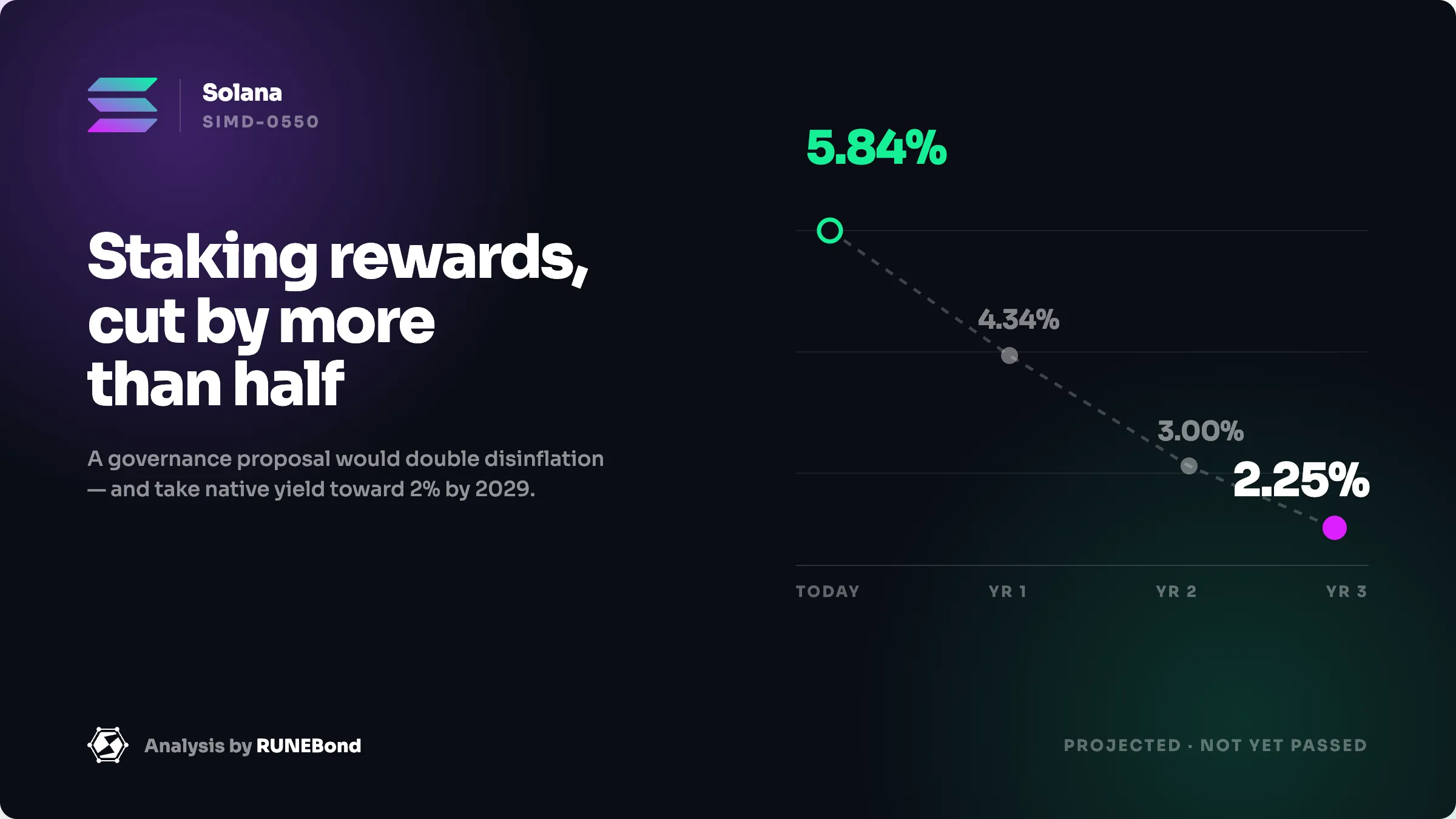
Solana's SIMD-0550 would double the disinflation rate, projected to cut staking yield toward 2.25% by 2029. Here's what it means for stakers.
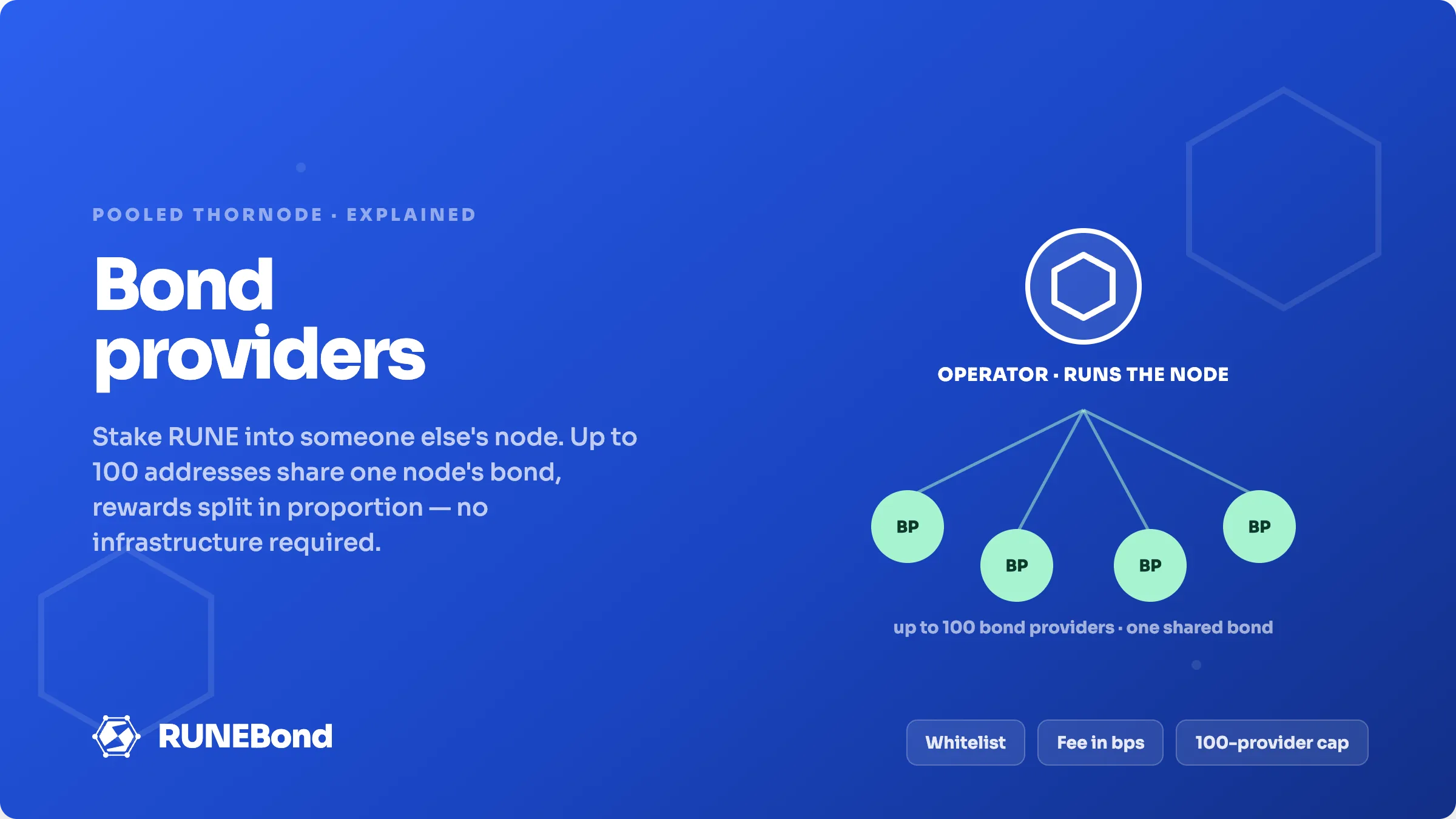
Bonding is how you stake RUNE on THORChain. How bond providers work: the whitelist, the operator fee in basis points, the 100-provider cap, and the steps to start.
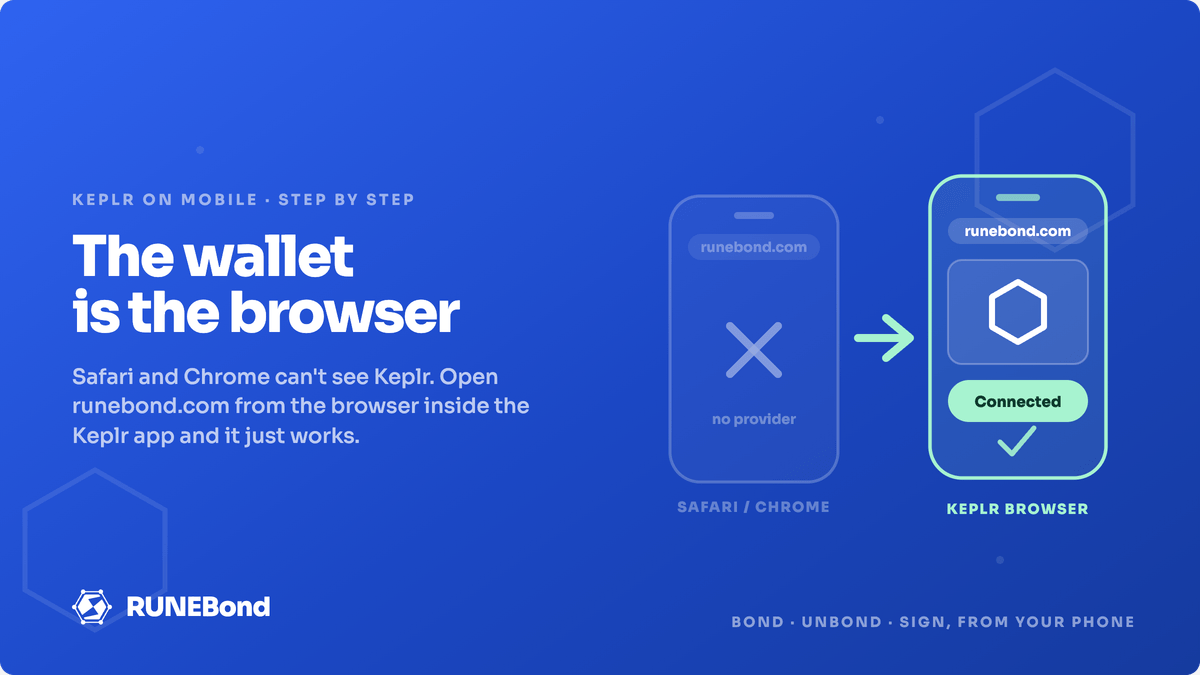
Keplr works with RUNEBond on your phone — you just have to open the app from the browser built into Keplr. Full walkthrough, plus why the extension route fails on mobile.
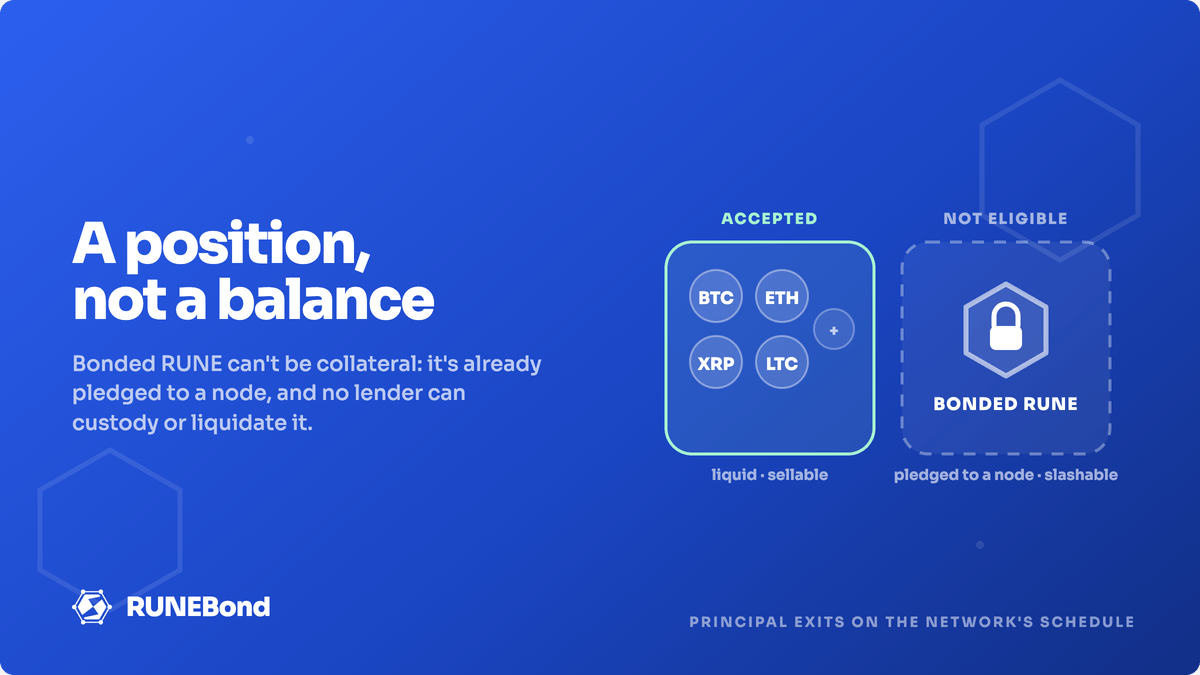
RUJI Money Market's new lending doesn't accept bonded RUNE as collateral. Why, how unbonding really works, and real liquidity options for bond providers.
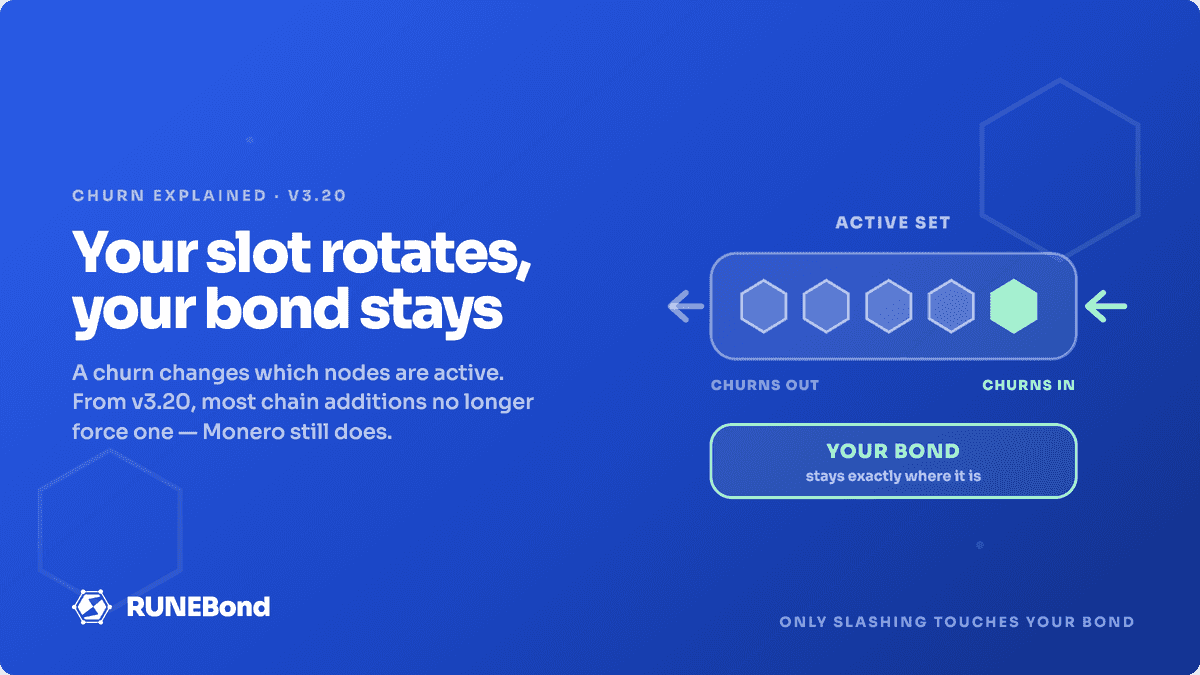
What triggers a THORChain churn, how it affects your bonded RUNE, minimum bond rules, and what v3.20 changes. Updated August 2026.
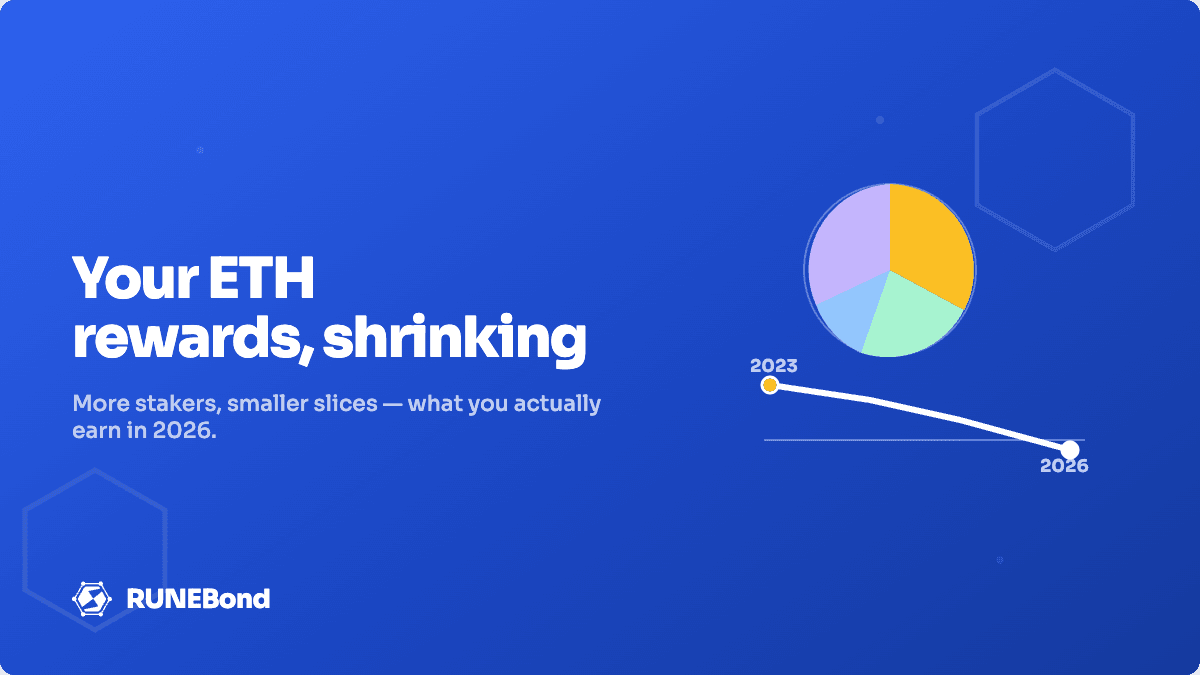
ETH staking now pays roughly 2–3%. Here's why yields shrink as more people stake, where the money comes from, and how to compare alternatives honestly.
The best crypto passive income for 2026 comes from real yield — paid by protocol revenue, not token inflation. Here's how to spot it and the top strategies to earn it.
Most guides say you can't stake RUNE without running a node. That stopped being true. Here's how RUNE staking on THORChain nodes actually works in 2026.
What slashing in THORChain is, how it works, and why misbehaving nodes lose real RUNE — protecting bond providers and the network.
How compounding works when you bond RUNE on THORChain, worked 5 and 10-year projections at 10%, 15% and 20% APY, and what moves the real rate.
THORChain bond rewards stay locked until your node leaves the active set. How they accrue, when you can withdraw them, and how early claiming works.
The real risks of bonding RUNE on THORChain: no exit on demand, price exposure during the lock-up, slashing and operator risk, and how to reduce each one.
Learn the basics of THORChain: RUNE, staking, node operators, bonding, bond providers, validator sets, and churn before using RUNEBond.